
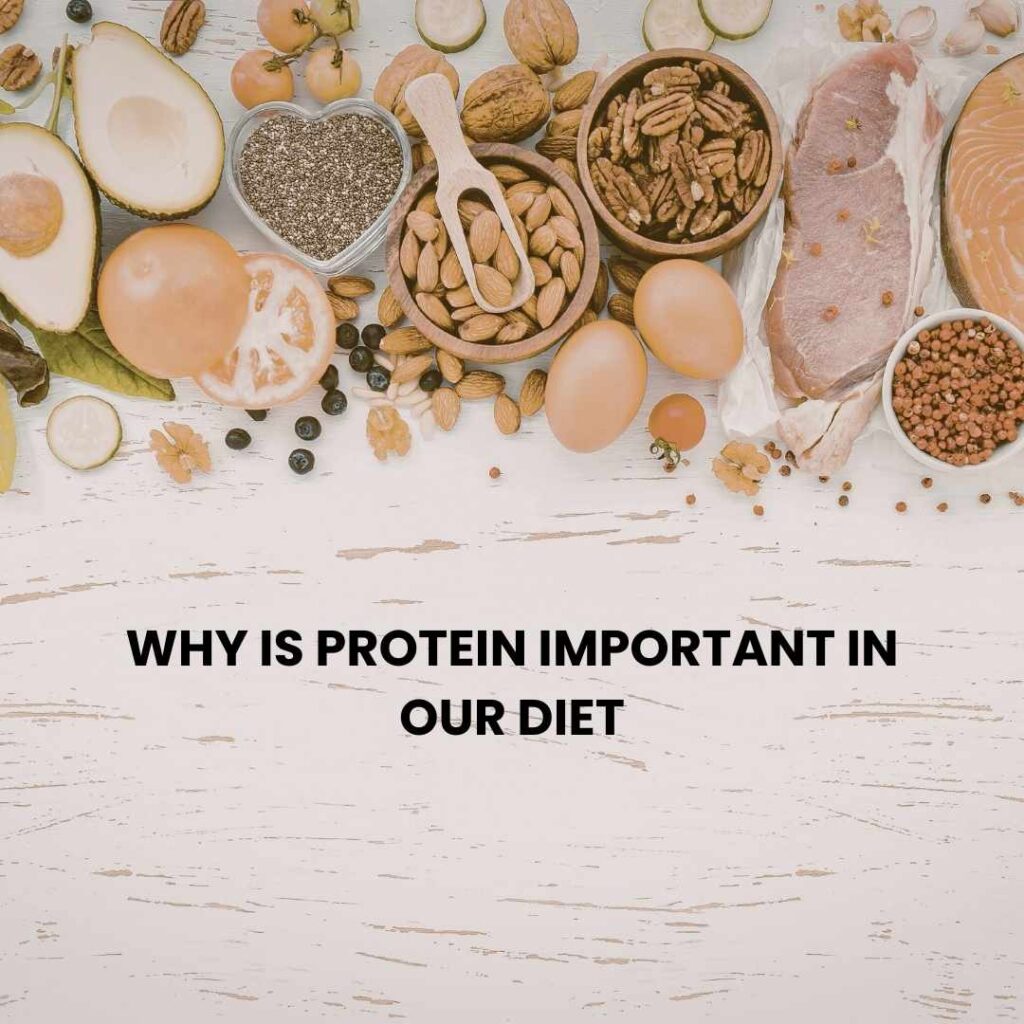
When we talk about healthy eating, most people think about calories, carbohydrates, or fats. However, one nutrient that plays a powerful role in overall health is protein. Many individuals do not consume enough protein daily, which can affect energy levels, muscle strength, immunity, and even weight management.
So, why protein is important in our daily diet? The answer lies in how our body functions. Protein is not just for bodybuilders — it is essential for everyone, from children to adults and seniors.
With expert guidance from Dietitian Gagan, many individuals searching for the best dietician near me learn how proper protein intake can transform their health, strength, and metabolism.
Let’s explore why protein is such a vital nutrient and how you can include it in your daily routine.
Table of Contents
ToggleWhat Is Protein?
Protein is one of the three major macronutrients, along with carbohydrates and fats. It is made up of amino acids, which are often called the “building blocks” of the body.
Your body uses protein to:
- Build and repair tissues
- Support muscle growth
- Produce enzymes and hormones
- Strengthen immunity
- Maintain healthy skin, hair, and nails
Without enough protein, the body cannot function properly.
1. Protein Builds and Repairs Muscles
One of the most important reasons why protein is important is muscle health.
Every day, your muscles break down and rebuild. Protein helps repair muscle tissues and supports growth. Whether your goal is weight loss, weight gain, or maintaining strength, protein plays a central role.
Even people who do not exercise intensely need protein to prevent muscle loss as they age.
2. Protein Supports Weight Loss
Protein increases satiety, meaning it keeps you full for longer. This reduces unnecessary snacking and cravings.
When protein intake is adequate:
✔ Hunger hormones decrease
✔ Cravings are controlled
✔ Metabolism improves
✔ Fat loss becomes easier
This is why many diet plans emphasize protein-rich meals.
3. Protein Helps in Healthy Weight Gain
For individuals trying to gain weight, protein ensures that weight gained is muscle, not just fat.
Without protein:
- Extra calories turn into fat
- Muscle mass does not increase
- Strength remains low
Balanced protein intake helps build lean mass and improve body composition.
4. Protein Strengthens Immunity
Proteins help produce antibodies that fight infections. If protein intake is low, immunity weakens, making the body more prone to illness.
Children, pregnant women, elderly individuals, and those recovering from illness especially need sufficient protein.
5. Protein Supports Hormones and Enzymes
Many hormones and enzymes in the body are made from protein. These regulate digestion, mood, metabolism, and growth.
A lack of protein can affect:
- Energy levels
- Mood stability
- Metabolic rate
That’s another strong reason why protein is important in everyday meals.
6. Protein Improves Hair, Skin & Nails
Hair and nails are primarily made of a protein called keratin. Low protein intake can cause:
- Hair fall
- Weak nails
- Dull skin
Including adequate protein helps maintain healthy appearance and tissue repair.
How Much Protein Do You Need?
Protein requirements vary based on:
- Age
- Gender
- Activity level
- Health goals
On average:
- Sedentary adults: 0.8–1 gram per kg body weight
- Active individuals: 1.2–1.6 grams per kg
- Muscle building goals: Higher intake as guided by a dietitian
Consulting a professional ensures you consume the right amount — not too little or too much.
Best Sources of Protein
Vegetarian Sources:
- Lentils and pulses
- Paneer and curd
- Tofu
- Soybeans
- Nuts and seeds
Non-Vegetarian Sources:
- Eggs
- Chicken
- Fish
- Lean meat
Combining different protein sources ensures better amino acid balance.
Why Professional Guidance Matters
Many people either under-consume why protein is important or over-consume supplements unnecessarily.
Working with an expert like dietitian Gagan helps:
✔ Calculate exact protein needs
✔ Create balanced meal plans
✔ Improve digestion
✔ Avoid nutritional imbalances
This personalized approach is why protein is important. Many individuals searching for the best dietician near me trust professional guidance for sustainable health.
Final Thoughts
So, why protein is important in our diet? Because it supports muscle health, weight management, immunity, hormones, and overall body function. It is not just a fitness nutrient—it is a life-essential nutrient.
A balanced diet with proper protein intake improves energy, strength, and long-term well-being.
If you are unsure about your daily protein needs or want a customized meal plan, consulting a professional dietitian can help you achieve your health goals safely and effectively.
